Gun drilling alignment investigations need a reference system before they need a correction. If the same part is measured in different orientations, an apparent change in exit direction can come from the record itself. Keep the part’s orientation and intended bore axis fixed when comparing runs.
Location and direction produce different observations
The following simple geometry is invented to explain the record. It is not a gun-drilling prediction. Let z describe distance along the intended bore and x describe one lateral direction, both in millimetres.
1Parallel offset example: x(z) = 0.10
2Tilted-line example:     x(z) = 0.0005 × z
3At z = 200 mm, both give x = 0.10 mm.
4At entry, the first gives x = 0.10; the second gives x = 0.
The same exit coordinate can be associated with different entry relationships. Real bore paths need not follow either line. Use the example to distinguish the questions “where is the entry?” and “how is the direction established?” An exit measurement alone cannot answer both.
Map the setup relationships
Follow the actual installation from machine/holder reference through entry guidance to the located and clamped component. Record what was checked at each relationship and which reference was used. A statement that “alignment was checked” omits the feature and method that make the check meaningful.
Star Cutter’s troubleshooting discussion includes alignment among possible contributors to straightness problems, alongside tool condition and other process factors. This supplies hypotheses, not a cause for a particular bore. The fixture record and the bore evidence still have to connect the proposed explanation to this job.
Preserve direction in the comparison
An illustrative investigation record might contain x and y exit offsets for each part, its orientation mark, entry measurement, tool identity and setup revision. Keep the coordinate signs, not only the magnitude. Two equal magnitudes pointing in different directions should remain visibly different observations.
If the part is intentionally reoriented or a reference changes, explain the transformation before combining the records. Do not convert an unrecorded orientation into a claim that the process drifted unpredictably.
Make a setup change answer one question
Suppose a documented guide relationship is adjusted and the next bore has a different exit location. Record the adjustment and the comparison, including any other changed condition. If the tool and coolant setup changed at the same time, the result cannot isolate the guide adjustment by itself.
For a production intervention, use the approved machine and tooling procedures. This explanation does not assign a generic alignment tolerance or a new entry sequence. Keep the inspected bore result with the actual changed setup, and retain comparisons that do not support the initial explanation.
Finally, distinguish a series of exit offsets from full-bore straightness evidence. The incident worksheet provides a place for the observations and proposed cause without turning one into the other.
Separate the relationships being checked
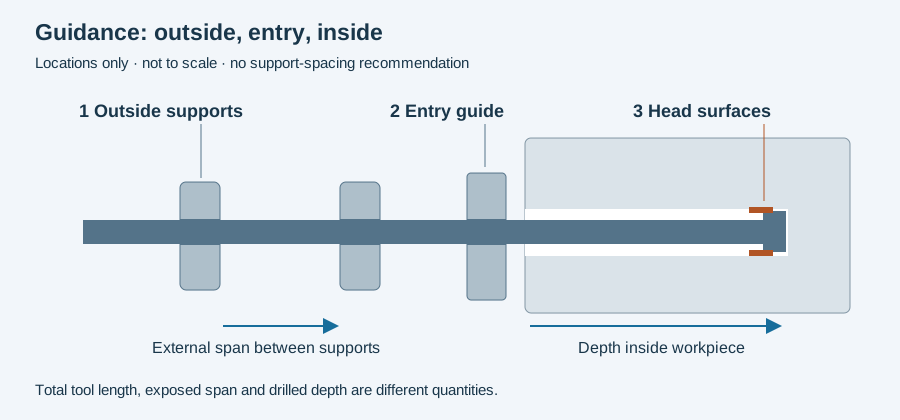
UNISIG’s machine explanation locates the entry bushing and whip guides in different parts of the installation. The diagram below distinguishes those supports from guidance on the head inside the bore. A check of one location does not automatically check the others.
Retain which axis, datum and axial station each observation concerns. Moving an outside support, locating a workpiece and correcting an entry bushing relationship are different interventions, even if each is described informally as “alignment.” Record the actual relationship changed so a later repeated offset can be compared with the original condition.
Star Cutter includes misalignment among possible contributors to straightness problems. Its discussion supplies an investigation route, not proof that every exit offset is caused by the fixture. Connect setup observations to the bore’s measured path before attributing the result to a particular adjustment.
Revision note
October 8, 2026: revised the technical explanation and connected reading after source review. Original publication date and URL retained.