UNISIG’s September 1 announcement describes the GR-2 grinder with inspection cameras and GrindView software for measurement, recipe management and guided workflows. It also describes a hardware compatibility upgrade for many existing GR-1 owners.
What the announcement leaves open
The release connects sharpening inspection with process improvement, but supplies no matched before-and-after production dataset. Savings and consistency claims remain attributed to the manufacturer. The source date is September; this October review is not a new launch announcement.
A useful demonstration request
Our editorial recommendation: bring a worn tool and its controlled geometry requirements. Ask which features the proposed system measures, how recipes are approved, and which compatibility checks apply to an existing GR-1. Evaluate the recorded geometry and subsequent bore result separately.
Use the tool lifecycle guide to document the repair decision.
Make the serviced tool identifiable in its next interval
The announcement describes integrated cameras and GrindView functions for inspection, measurement, recipes and guided grinding. Those functions concern the sharpening process and observed tool geometry. Finished-hole results require a further link to the tool’s subsequent use.
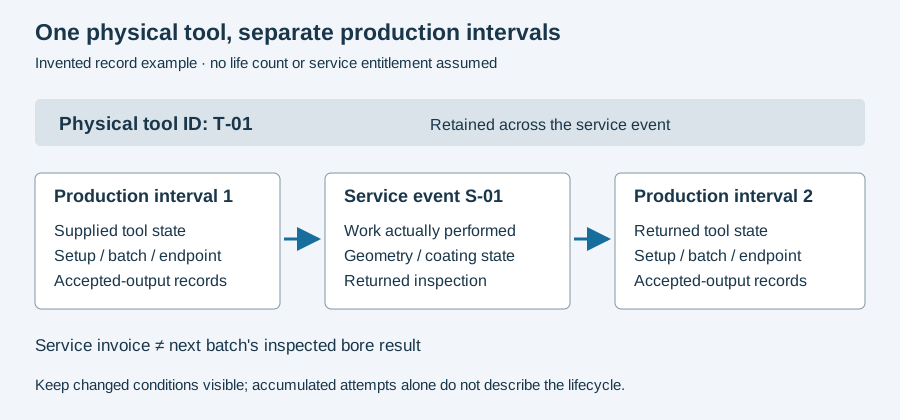
Our editorial interpretation is to keep the tool identity, service action and restored geometry with the next drilling interval. Associate its accepted output and any inspection exceptions with the actual machine and component. This makes a repeat sharpening operation comparable without assuming that each service interval starts from an identical condition.
UNISIG also describes availability for many GR-1 owners through a hardware compatibility upgrade. ‘Many’ should remain qualified: the announcement does not establish that every installed GR-1 accepts the same update without a configuration review.
The service-interval figure below separates sharpening from the evidence generated afterward. Use the incident tool to capture a wear or geometry change before the tool is serviced. The next readings explain regrinding and wear assessment. The article reports the manufacturer’s announcement; it does not claim an independently measured reduction in cost, training time or rejected holes.
Revision note
October 8, 2026: revised the technical explanation and connected reading after source review. Original publication date and URL retained.